ORDERING INFORMATION- Get in touch via email or live chat. Please allow up to 24hrs for response via email. Live Chat is online from: MON - FRI 09:00 - 18:00 SAT - SUN: CLOSED ORDERING INFORMATION- Get in touch via email or live chat. Please allow up to 24hrs for response via email. Live Chat is online from: MON - FRI 09:00 - 18:00 SAT - SUN: CLOSED ORDERING INFORMATION- Get in touch via email or live chat. Please allow up to 24hrs for response via email. Live Chat is online from: MON - FRI 09:00 - 18:00 SAT - SUN: CLOSED

Effects of Depression & Anxiety

What can depression and anxiety do to you, and how do you get over them?

Depression is a psychological disorder that affects more than 264 million people worldwide according to the WHO (World Health Organization). It manifests as persistent, constant sadness and lack of interest or pleasure in previously rewarding or enjoyable activities. This feeling goes on for weeks and months rather than just some morning blues. It disturbs sleep and appetite, and it usually causes tiredness and poor concentration in day-to-day activities.

It is the most common cause of disability of patients in terms of work productivity, quality of work, and the life which greatly contributes to the global burden of the disease. Most often a person finds the need to stay alone, trying to “figure” things out but eventually being unsuccessful about it. The ones suffering usually say that they’re feeling ‘low”, “alone”, “gloomy”, have no interest to do any work, disinterest to eat, “loss of sleep’, “untimely” sleeping patterns. The symptoms range from mild to severe ones, at the mildest, it might be a feeling of persistent low in spirit, while severe depression can make one feel suicidal, that life is no longer worth living, or the feeling of “uselessness” and “unworthy of being alive”. A trigger is almost always present for the depression to begin. They range from, relationship issues, life-changing events, career-oriented problems, or sometimes no reason at all. Depression is a recurrent and progressive disorder with neurobiological changes leading to a “chemical imbalance” in the brain. There is a disruption of serotonin, norepinephrine, and dopamine transmission which is responsible for turn-off the stress response and overall reduction of monoamine levels. The treatment of depression is a holistic one, which includes therapy sessions which include a combination of cognitive-behavioral therapy, medications that set right the chemical imbalance such as anti-depressants, SSRIs, etc based on the severity of presentation of the disease. But seeking help should be an emergency and mandatory.

Anxiety is different from depression

Occasional anxiety is a normal part of life, but anxiety disorders include just more than temporary or short-lasting anxiety which goes beyond cold-clammy hands. Anxiety could be a state of emotion that is unpleasant and causes uneasiness, discomfort, and fear. For a person with the disorder, the anxiety does not go away and also gets worse with time. These are categorized as a group of disorders known as ‘Anxiety Disorders’ which include panic disorders/attacks and various phobia-related disorders. The symptoms usually are constant, they display anxiety or worry most of the days for at least 6 months. Triggers for anxious states can vary from minor, manageable situations to severe ones. Not always, the trigger has to be a present ongoing incident. An unsettling emotional experience that repeatedly haunts, previous trauma such as accidents, personal assaults, natural- or human-caused disasters, military combat, etc. also sets off an anxiety attack. Management of anxiety disorders needs medical help as well as cognitive-behavioral therapy. Triggers have to be identified, and a mindful attempt has to be made to combat it. Medical management includes the use of anxiolytics (Anxiolytics are a group of drugs which control the symptoms of anxiety, produce a restful state of mind without interfering with normal mental or physical functions.) such as benzodiazepines (Diazepam, Zolpidem, Lorazepam, etc. ), anti-depressants (serotonin-reuptake inhibitors-SSRIs, serotonin-norepinephrine reuptake inhibitors, tricyclic antidepressants (TCAs).

Depression: Causes and types

A chemical imbalance is known to cause a state of depression. But the cause for the chemical imbalance has many possible causes such as, genetic vulnerability, stressful/traumatic life events, medications, faulty mood regulation by the brain, medical problems, etc. regions in the brain which get affected in depression include, amygdala (responsible for emotions such as anger, pleasure, sorrow, fear and sexual arousal), the thalamus (speech, behavioral reactions, movement, thinking and learning, differentiates pleasant and unpleasant feelings), and the hippocampus (processing of long term memory and recollection). Research suggests that the size of the hippocampus reduces in depressed patients. Genetic predisposition is a valid argument in the causal of depression. A HARVARD research suggests that a person who has a first-degree relative who suffered major depression has an increase in risk for the condition of 1.5%-3% over normal. One’s Temperament, their view of the world, and, in particular, their unacknowledged assumptions about how the world works also influence how one feels. So, a person develops their viewpoint early on and learns to automatically fall back on it when loss, disappointment, or rejection occurs. A few hormones which are released during stress, such as Corticotropin-releasing hormone and adrenocorticotropic hormone tend to be at high levels in depressed individuals. Some medical disorders such as Alzheimer’s, Huntington’s disease, stroke, Vitamin B12 deficiency, parathyroid hormone disorders, etc are also known to cause depression.

A major depressive disorder is diagnosed as so when, the patient has 5 or more of the following symptoms on most days for 2 weeks or longer- loss of interest in daily activities, weight loss or gain, trouble sleeping during the night, or excessive sleeping during the day, agitation or restlessness, tiredness, guilt feeling/feeling of worthlessness, difficulty in decision making, suicidal tendencies. Persistent Depressive Disorder is when the symptoms mentioned above last for 2 years or longer, Bipolar Disorder or also known as Manic depression is when a person has mood episodes that range from extremes of high energy with an “up” mood to “low” depressive states, Seasonal Affecting Disorder is when a person has depressive symptoms during winter or fewer sunlight days and goes away in summer/spring, Psychotic Depression when the patient represents with hallucinations, delusions, and paranoia, Peripartum Depression is seen in women during or after childbirth and finally, Premenstrual Dysphoric Disorder is seen in women when they are on their menstrual cycle.

Causes and types of anxiety:
A wide range of causes from life-changing situations/events, a trauma in terms of personal assaults, accidents, work/personal life-related harassment, sexual molestation, traumatic childhood, over-dominating parent, stressful work environment, medications, medical problems, etc.

Generalized anxiety disorder: Characterized by a generalized long-standing, anxiety, increased worry, and tension when the trigger is normal for any other person. It is diagnosed as so only when the anxiety is presented on most of the days for the week for more than 6 months.

Panic disorder: repeated, unexpected panic attacks that occur fast and reach their peak within minutes. The attacks occur at odd hours even when a trigger is not obviously present.

Phobia-related disorders: Phobia means- intense fear or aversion to specific objects or situations. They can be simple phobias, agoraphobia- fear of public places, social phobia, etc.

Post-traumatic stress disorder: Develops after a stressful/traumatic incident/ ordeal in which the person has been a part of or has been the victim.

Obsessive-compulsive Disorder: Presents with repeated unwanted thoughts (obsessions) and repeated behaviors to counter the thoughts (compulsions).

How are they treated?

Depression is treated with a combination of psychotic therapy and pharmacological therapy. Psychotic therapy includes cognitive behavioral therapy, interpersonal therapy which are structured didactic that help the individuals to identify the causes and modify the behavioral patterns.

Pharmacological therapy for depression includes MAO inhibitors, selective serotonin-reuptake inhibitors (SSRI), tricyclic antidepressants, serotonin, and noradrenaline reuptake inhibitors (SNRI), etc. Sleeping disorders in depression are treated with a group of drugs known ad Benzodiazepines, which give a sense of calmness thus helping in better sleep patterns, also having tranquilizing effects.

Anxiety is treated mostly with drugs which help in calming the mind and reducing the race of thoughts which causes the trigger of panic attacks. These drugs are available online. However, they are sold as prescription medicines in the US, UK, and India.

The drugs such as lorazepam, clonazepam, etizolam belong to the group of drugs known as benzodiazepines which act by relaxing the muscles, chemically help in causing the “calming effect” in the brain, helps in reducing intermittent awakening, and gives good refreshing sleep.

These drugs act on the midbrain by acting as a tranquilizer with a muscle relaxant, amnesic, and sedative properties. Sometimes, panic attacks lead to aggressive behavioral patterns. In such cases, sedative drugs help.

Anti-anxiety doses are usually 2mg or 5mg diazepam or alprazolam. It is the safest drug for anxiety as it has little effect on other body systems and has lower dependence compared to other drugs. Galenika Bensedin is the brand name for diazepam. The drugs are given only when prescribed by the physician.

Alprazolam has sleep-inducing actions and has a long duration of action in the body lasting for about 11-12 hours. It reaches a peak in the body within 1.5-2 hours. Abuse and dependence potential for alprazolam is high. The safe dosage is about 3-6mg orally per day for anxiety.

Ativan which is the drug name for Lorazepam enhances the activity of neurotransmitters in the brain. It causes marked amnesia and stays in the blood for about 10-20 hours. It reaches peak levels in the blood within 0.5 hours. It takes time to cross the blood-brain barrier and is safe to use in elderly patients. Ativan is used in doses of 1mg, 2mg for anxiety management.

Pregabalin acts by binding to a particular receptor in the nerve ends and controls the “over-excited” calcium ion channels. It is structurally similar to a molecule found in human nerve endings known as Gamma Amino Butyric Acid (GABA). It is used when alternative medications such as benzodiazepines need an additive. It helps in the prevention of relapse of anxiety disorders, reduces broad spectrum severity of psychological and physical symptoms of anxiety. Lyrica which is available as tablets and capsules are taken in the dosage of 150-600mg a day split over 2 or 3 separate dosages as prescribed by the physician.

Recent is another drug which predominantly contains pregabalin, available as capsules or tablets. The dose range of Lecaent for anxiety disorder is about 150-600mg in divided dosages. Buspirone is another drug used for the management of OCD. It’s slow in action and takes about 2 weeks for its maximum therapeutic effect to be seen. Available as tablets 5-15mg, Anxipar/Busicalm are the trade names-10mg taken once or twice a day.

The heart palpitations are treated with drugs known as beta-blockers (propranolol, atenolol). All of these drugs can be available with online prescription in the UK, US, and India.

Uses of antidepressants and anti-anxiety medicines.

The group of drugs known as Benzodiazepines which include alprazolam, diazepam, lorazepam, nitrazepam, clonazepam, etizolam, etc. They act as an anxiolytic, sedative-hypnotic, muscle relaxant, anesthetic and are also used for emergency control of seizure.

These drugs can be taken orally or in the form of injections (intravenous or intramuscular).

Injections are administered only in emergencies. These drugs help in inducing sleep from which the person can be easily awakened thus giving a feeling of refreshed sleep. They also reduce intermittent awakening and increase total sleep time. They also help in relaxing the muscles, by acting centrally through all muscles in the body and at the same time not having any effects on involuntary muscle action.

The group of drugs for depression, are in general known as mood elevators. Tricyclic antidepressants take 2-3 weeks to produce maximum action and thus help in gradual mood elevation. The patients on TCA start to become more communicative and start taking interest in self and surroundings. They also help in improving the sleep patterns of individuals.

The SSRIs and SNRIs have a duration of action of approximately 7-10 days. These improve the “energy” levels, by making the individuals more active and interested in life. They do not cause psychomotor and cognitive impairment. These are used for the management of OCD, PTSD, Premenstrual Dysphoric Disorder, and anxiety disorders as well.

They may have some disadvantages too

The benzodiazepines cross the human-fetus barrier readily, thus warranting its use in pregnant mothers. They are excreted through the urine and hence, if the person has an underlying kidney problem, the physician should be informed before as it can cause an accumulation of the drug. They also cause some undesirable effects such as gastritis, acidity, bowel irritability, general malaise, delirium.

The antidepressants also have many disadvantages ranging from, nausea and bowel issues to increased agitation or aggressive behavior. TCAs cause increased weight gain and increase appetite, sexual distress, and cardiac issues such as dysrhythmia. Some SSRIs induce seizures or reduce the seizure threshold. They also cause agitation and dermatological reactions along with, dyspepsia, flatulence, nervousness.

Both anti-anxiety and antidepressant drugs have high drug interactions and hence, the physician has to be informed about any other ongoing medications.

Summary

Depression and anxiety are disorders that are caused by life-changing situations and can also be treated by making lifestyle changes along with physician and psychiatric help. Genetic predisposition, other medical conditions also cause depression and anxiety. It will be wrong to not foresee the associated health problems. They usually have a trigger that needs to be identified and combated to manage the disease. Holistic combination therapies which include medications and psychotherapy sessions have been implemented for better management. A close watch by a known person, friend, family member has to be kept on the patient to notice any sort of small changes before and after the start of treatment. Non-medical management such as yoga, tai-chi, self-help activities, group sessions also helps in improving the person’s confidence. The stigma of the disease prevents people from stating about their mental health, thus it’s imperative for others as well to look out for behavioral changes.

Medical management with anti-depressants and anti-anxiety drugs have to be prescribed by the physician only. Self-medication is dangerous as they have inter-drug and diet interactions. Dosages that are high can be fatal sometimes. Such disorders are not permanent but are progressive. Thus, they are completely curable.
How to effectively treat chronic pain

If you are suffering from pain, You must read this.

Overview of pain

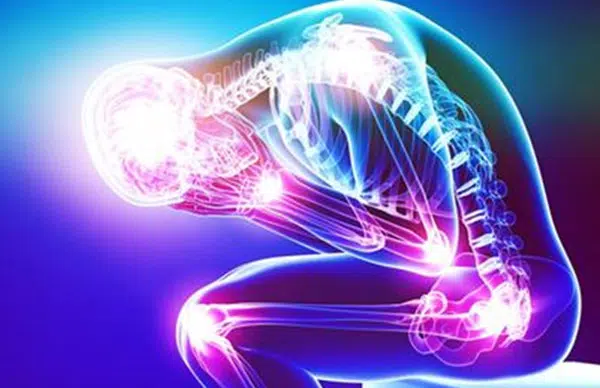
Pain is a displeasing sensation that can restrict a person’s capabilities and abilities to stick to a daily routine. The pain usually acts as an early warning signal to alert you that something is not really right with your body. Pain can be an uneasy feeling and few people go to great lengths to puzzle out how to relieve pain. If we couldn’t sense pain, we would be unable to circumvent repeated injury or permanent harm to our bodies. Pain acts as a defense mechanism that alerts us to an injury, thus allowing us to protect our bodies. Although unfavorable and displeasing, pain can be a good thing. It lets us understand when something is wrong and gives us an indication of causes. Some pain is easy to distinguish and can be handled at home. But some types of pain alert serious conditions. Sometimes the pain is very difficult to explain. Pain can be felt at a single spot or over a broad area. The ferocity of pain can range from mild to intolerable.
People differ pointedly in their ability to bear the pain. A person cannot bear the pain of a small cut or bruise, but another person can bear the pain caused by a major accident with little complaint. The ability to withstand pain varies according to mood, personality, and circumstance, for this reason, pain is highly subjective. Pain can be felt as Acute and Chronic. Acute pain usually comes instantaneously, because of a disease, injury, or inflammation. It can often be diagnosed and managed, but it generally goes away, nevertheless, sometimes it can turn into chronic pain. Chronic pain pertains for a long time and can cause grave problems.

Headache, Cramps, muscle strain, cuts, arthritis, bone fractures, stomach ache are some common causes of pain. Many illnesses or disorders, such as flu, fibromyalgia (a condition characterized by muscular or musculoskeletal pain with stiffness and localized tenderness at specific points on the body.), irritable bowel syndrome (IBS), and reproductive issues, can cause pain. Some people experience other symptoms with pain as well as nausea, dizziness, fatigue, loss of appetite, irritability, depression, and anger.
Acute pain is usually felt in response to an easily identifiable cause, such as surgery, some kind of trauma, or an acute illness. Acute pain generally remains only for about a few days to a maximum of three months. Chronic pain can be caused by a variety of factors. Often conditions that escort normal aging may affect bones and joints in ways that cause chronic pain. Other common causes are nerve damage and injuries that give out to heal properly.
Some types of chronic pain have numerous causes. Back pain, for example, maybe caused by a single factor, or any combination of factors like Years of poor posture, improper lifting and carrying of heavy objects, being obese, which puts a lot of strain on the back and knees, A congenital condition like the curvature of the spine, Traumatic injury, wearing high heels, and Sleeping with poor posture. Diseases can also be the principal cause of chronic pain. Rheumatoid arthritis, osteoarthritis, and fibromyalgia are well-known offenders, but continuous pain may also be due to such conditions as cancer, multiple sclerosis, stomach ulcers, AIDS, and gallbladder disease.

You should seek medical attention for your pain: If it is due to an injury or accident, specifically when there is a risk of heavy bleeding, infection, or fractured bones, or when the injury involves the head, If an internal pain is acute and sharp this kind of pain may imply a serious problem, such as a ruptured appendix, If the pain is in the chest, as this could indicate a heart attack, If the pain is troublesome to your life, making it difficult to work or sleep. If you look for medical attention for your pain, the doctor will initially do a physical examination and put forward some questions. Do not hesitate to discuss the pain very specifically, including when it is initiated, when the intensity of the pain is most, and whether it is mild, moderate, or severe. You will also be queried about any known triggers, about how the pain affects your routine, and about any medications that you have been taking for pain or any other condition. The more particulars you can provide, the better the diagnosis your doctor can make. Currently, the best way to treat the pain is to manage the symptoms, i.e. obtaining pain relief.

Pain relief medicines – what are they?

Pain relief medicines are drugs used to relieve discomfort associated with the disease, injury, or surgery. Because the pain process is complex, there are many types of pain medicines that provide relief by acting through a variety of physiological mechanisms. Pain medications can be broadly classified into two categories: prescription and non-prescription pain medicines. Non-prescription pain medicines are over the counter drugs. In the latter category are several mild anti-inflammatory drugs like ibuprofen, naproxen, diclofenac, as well as acetaminophen. These are mainly meant for use with short-term, acute pain — menstrual cramps, tension headaches, and minor sprains — what is known colloquially as “everyday aches and pains.” Over-the-counter pain medicines, especially acetaminophen, are also sometimes used to treat chronic pain, like that seen in arthritis. These drugs also lower fever and are usually used for that purpose.
The prescription arms against pain are extensive. It also includes some NSAIDs that are more powerful than their over-the-counter cousins as well as opioid analgesics. And then there are some uncommon pain medicines which were not originally used for pain relief, but which were found to have pain-relieving properties in certain conditions. For example, fibromyalgia pain medications include an anticonvulsant drug (gabapentin, pregabalin) and antidepressant drugs (duloxetine hydrochloride [Cymbalta]).
Over – Counter medicines are good for many types of pain. There are two main sets of Over counter pain medicines: Acetaminophen (Tylenol) and Nonsteroidal anti-inflammatory drugs (NSAIDs). Aspirin, naproxen (Aleve), ibuprofen (Advil, Motrin), Diclofenac (Diclofex DC, Inavix, difisal SR tab, dilona forte tab) are examples of Over- the- counter NSAIDs. If Over -The- Counter medicines don’t relieve your pain, your doctor may prescribe something stronger. Many NSAIDs are also obtainable at higher prescription doses. The most powerful pain medicines are opioids such as Codeine, that comes under the brand name codamol-which is a mixture of 2 different pain relief pills – paracetamol and codeine, Fentanyl (US brand name-Duragesic, Ionsys), Tramadol (ConZip, Ultram, Ultram ER), Dihydrocodeine, Morphine, Oxycodone, Oxycodone-acetaminophen (Percocet) are prescribed according to the type and intensity of pain. In Australia, Canada, New Zealand, Sweden, the UK, the US, and many other countries, codeine is regulated under various narcotic control laws. Codeine is often sold as a salt in the form of either codeine sulfate or codeine phosphate in the US, UK, and Australia. Codeine is also present in various cough syrups as codeine phosphate. Codeine containing cough medicine has been banned in India and many other countries like Canada. You can buy pain relief medicines in the pharmacies or online, and to buy online safely directukpills.com can help you.

How does pain relief medicine work?

Nonsteroidal anti-inflammatory drugs (NSAIDs) act on substances in the body that can cause inflammation by reducing the inflammatory response. Corticosteroids are administered intramuscularly at the site of musculoskeletal injuries. They exert powerful anti-inflammatory effects. They can also be administered orally to relieve pain from conditions like arthritis. Acetaminophen elevates the body’s pain threshold level for pain relief, but it has very little effect on inflammation of the area involved. Opioids like codeine, also known as narcotic analgesics, modify pain messages in the brain. Skeletal muscle relaxants provide pain relief from tense muscle groups, by applying sedative action in the central nervous system. Anti-anxiety drugs act on pain by reducing anxiety, relaxing muscles, and aid patients to cope up with discomfort. Few antidepressant drugs, specifically the tricyclics, may decrease pain transmission via the spinal cord. Some anti-seizure drugs also cause pain relief from neuropathies, possibly by stabilizing nerve cells.

What are their uses and disadvantages?

Pain medicines are widely used by Specialists to perform convoluted life-saving procedures. Pain medicines help Individuals who have endured genuine damage to work without finished wretchedness. People with perpetual, torment causing maladies find a huge upgrade to their personal satisfaction after using pain medicines. Conditions like headache, migraines that would have beforehand weakened a man can frequently be eased by the use of pain medicines. Finer dental care which can be immoderately excruciating, making it unworkable for the patient can enable individuals to keep up solid oral wellbeing significantly later into life with the help of pain medicines. Since pain medicines are available to buy online, the ease of getting it provides a major advantage. Pain medicines not only relieve pain, there are many under this category which has other uses too, like Aspirin which is often recommended by Doctors for people who are more likely to have a heart attack or stroke, because it can prevent blood clots.

Although pain medicines in normal doses are not harmful, some of the common side effects should be kept in mind. Constipation is a common side effect of opioids, but it can often be lessened by an increase in fluids, an increase in dietary fiber (if your condition permits), and moderate exercise (with the advice of your doctor or nurse) can all affect. Laxatives or stool softeners can usually help constipation. Nausea and vomiting may occur on the first day of taking opioid pain medication. Disclose it to a nurse or doctor if there is any symptom of excessive nausea or vomiting. Antinausea therapies can be undertaken to control nausea or vomiting in such cases. Sometimes opioid pain medications can cause a sedative effect, drowsiness, or sleepiness initially or after the dose is increased. Some people tend to become confused, disoriented, or simply absentminded after having medication for pain relief. If such effects become prominent, tell a doctor as soon as possible. The dose can be altered according to your body’s acceptance, another drug can be prescribed, or another drug can be added. Opioid pain medication can slow breathing, particularly at high doses. The condition usually settles as the body gets accustomed to the opioid pain medication. In case of admission to the hospital respiration and other vital signs must be monitored now and then throughout the hospital stay. Still, the doctor’s team should be told if slowed breathing becomes uncomfortable or is otherwise troublesome. Other drugs can be prescribed to resolve this side effect. Not only opioid other pain medicines also have few disadvantages like taking a lot of NSAIDs may cause kidney damage. Aspirin cannot be given to children because of the risk of a life-threatening condition called Reye’s syndrome, which attacks the brain and liver. Aspirin when taken for a long time can cause your stomach to bleed. Even though there are no much side effects, pain medicines must always be used judiciously as overdosing may lead to serious issues.

The Takeaway…

Pain is an indication in your nervous system that something may be wrong. It is an unpleasant feeling, such as a prick, tingling sensation, sting, burn, or ache. Pain may be sharp or even dull. It may appear and go, or it may sustain for a period of time. Pain may be felt in one area of your body, like your back, abdomen, chest, pelvis, or pain may be felt all over the body. Pain can be a useful tool for diagnosing an underlying problem. On condition that you have never felt pain, you may severely harm yourself without your knowledge, or you may not even know you have a medical problem that could need treatment. Pain is a major health issue, It is one of the common reasons why adults go to a doctor in the US and UK. Up to 40 percent of Americans live with chronic pain.
Pain can’t be cured always, but there are many ways to resolve it. Treatment depends on the reason for pain and type of pain. There are drug treatments, including pain relief medicines. Many pain medicines are available from pharmacies without a prescription. They usually deliver effective pain relief, but might also cause a few side effects or complications. To use them securely, it is important to pay attention to the dose and interactions with other medications. Even though some pain medicines like codeine can be addictive, there are several nonaddictive pain medications obtainable today. Work with your doctor to find the best and safe pain medicine for you. There’s also a variety of non-drug therapies available to ease chronic pain. Interventions like exercise, massage, and yoga can provide good quality of life without causing any harmful side effects in the process of pain relief.

Sexual Health: Everything you need to know.

Before entering into the core of the topic “sexual health” one must know the word “SEX” means either of the two main categories (male and female) into which humans and many other living things are divided based on their reproductive functions, this the first explanation was given to the word by Oxford English dictionary. The taboo of sex has been handed over from one generation to another, leaving one to find out “what is sex” by themselves which won’t end up the same for all which eventually expressed in their sexual behavior.

Sexual health encompasses the knowledge about how to have safe sex, measures to prevent unwanted transmission of disease while having sex, various contraceptive measures, and ways to buy the same online. Sex and sexuality are an important part of life that fills one’s life with intimacy, pleasure, and a natural way to reproduce.

Why sexual health matters?

Lack of knowledge about sexual health is evident in all countries whether it is developed or developing and remains as leading problems most associated with mortality, morbidity, and social ailments in the adolescent. A recent study has revealed that some young people in the UK were unaware of how sexually transmitted infections (STIs) are passed on, with nearly 40% thinking HIV can be transferred through kissing and the signs and symptoms of common STIs. Significant advances must be made in undergraduate medical education to prepare future physicians to address critical issues such as sexually transmitted diseases, family planning. Some Northern European embrace a more positive attitude toward adolescent sexuality and they uphold the right to express and enjoy their sexuality.

What are Sexual disorders in men and women?

It has been reported that sexual dysfunction affects 43 % of women and 31 % of men and most of them are hesitant to discuss it.
Sexual disorders can be desire disorders where he/she lacks the desire or interest in sex, it is also known as libido disorders or low libido. In this condition decrease in estrogen and testosterone hormone levels were noted.
Arousal disorders are the inability to become physically aroused or excited during sexual activity, in this disorder, one has an interest in sexual activity, but be unable to get any physical satisfaction from it.

Orgasm disorders causing delay or absence of orgasm (climax) is a common problem with women, but they can also occur in men.
Pain disorders that cause pain during intercourse can affect both men and women. In women, pain may be caused by vaginal dryness, vaginismus (a condition that affects the vaginal muscles), pain due to episiotomy during childbirth, female genital mutilation (where female genitals are deliberately cut, injured, or changed, but there is no medical reason and it is usually done within infancy and 15 years, which is illegal in countries like the UK.

Sexual desire originates in your brain. There are certain chemical mediators called neurotransmitters responsible for this. The release of the neurotransmitter dopamine is responsible for feelings of pleasure, desire, and motivation while oxytocin increases the sense of bond and attachment.
Sexual disorders can be due to a wide variety of causes such as stress, diabetes, alcoholism, smoking, other substance abuse, and certain neurological disorders. Work-related stress and anxiety affect sexual performance. Marital or relationship problems, depression, feelings of guilt, and the effects of past sexual trauma are psychological causes.
Sexual problems in men can be diverse, however, the most common ones are erectile dysfunction, ejaculation disorders, and diminished sexual desire.
Ejaculation disorders are when ejaculation occurs before penetration, soon after penetration, or retrograde ejaculation. Retrograde ejaculation happens when the ejaculate is forced back into the bladder rather than out of the penis through the urethra.

Medical treatment for sexual disorders

Management of sexual problems should be administrated focusing on the condition of the patient as to whether it’s the physical causes, psychological factors, or multi factors that causing the disorder. A framework for evaluation and treatment has to be planed for each patient in different patterns depending on the factors influencing it.
Several pharmacological treatment modalities have been developed aimed at increasing blood flow to the genitals, improving hormonal deficiencies, and enhancing central nervous system stimulation. PDE5 inhibitors increase blood flow to the genitals. With the development of the first marked PDE5 inhibitor, sildenafil is the drug that revolutionized the treatment of erectile dysfunction in men. PDE5 Inhibitors’ functions by inhibiting the enzyme PDE5 (catalyze cGMP, ultimately prevents dilation of the vascular smooth muscle cell) thus increases the dilation of vascular smooth muscles.

Prostaglandins can help!

Prostaglandins are lipids found in almost all tissues and organs. Prostaglandins cause smooth muscle relaxation in the vaginal, uterine, and penile smooth muscle. Prostaglandins have been used effectively in male sexual dysfunction, especially erectile dysfunction (administered through penile injection), it showed positive results for women with genital sexual arousal disorder, which was mostly attributed to increasing secretions in the vagina a facilitating the vaginal smooth muscle relaxation. A synthetic version of PGE1, alprostadil is Administered topically, that do not result in systemic side effects. The application of alprostadil demonstrated positive responses in genital vasocongestion and vaginal erythema.

Nitric Oxide Donor & Combination Therapy

Production of NO is essential in vascular relaxation. NO-donor creams are available (Sensua), as topical therapies. Another L-arginine product has demonstrated positive results in the treatment of female sexual dysfunction. A study has noted that women who lacked sexual desire exhibited statistically significant increases in clitoral sensitivity, sexual satisfaction, increased frequency of sexual intercourse, and decreased vaginal dryness.

Vasoactive Intestinal Peptide

Vasoactive intestinal peptide (VIP) is a polypeptide hormone-containing is produced in many areas of the human body. VIP has potent vasorelaxant effects. By peptidic therapy, it was noted there is an increase in clitoral and vaginal blood flow when sexually stimulated

Hormones play a role too.

Main hormone endocrine hormones, estrogen, progesterone, and testosterone are involved in the sexual response, and deficiencies in the levels of these androgens potentially are involved in female sexual dysfunction. A decrease in testosterone is associated with sexual disorders such as loss of libido and orgasm associated disorders. Testosterone and other hormone therapies (antiestrogen, DHEA, thyroid hormones) for erectile dysfunction showed to be effective.
Regarding the treatment of male erectile dysfunction, PDE5 inhibitors have proven to be very successful, whereas in female sexual dysfunction similar achievements have not been made.

Some common drugs that showed to be effective in treating sex disorders

Most of the drugs used to treat sexual disorders are available online. Sildenafil is the generic name for the drug that is sold commercially in the brand name Viagra which can be bought online in UK, USA, Canada. Viagra belongs to the chemical class of PDE 5 inhibitors. Viagra is a prescription-only medicine used to treat erectile dysfunction in men. Viagra is usually taken only when needed, 30 minutes to 1 hour before sexual activity, and lasts for four hours. The starting dose is one 50mg tablet in 24 hours. Depending on results, adjust to 25mg or 100mg. Viagra should not be taken more than once a day. If you experience any sort of adverse effects such as pain in the chest, numbness, or nausea, visit your physician immediately. This could be an indication of a potentially dangerous side effect associated with Sildenafil.
Tadalafil is the generic name for the drug that is sold commercially in the brand name Apcalis which is a phosphodiesterase-(PDE) inhibitor. Apcalis Oral Jelly contains Tadalafil 20mg and is available as prescription-only medicine. Apcalis oral jelly effective to treat impotency. This agent functions by expanding the blood vessels of the penis by dilating it, this leads to sufficient blood flow into the penis. This procedure continues going until sexual action finishes. The working is like a normal Apcalis pill however the main distinction is that this medication is accessible in fluid shape.

Eriacta 100mg is a drug prescribed for patients suffering from erectile dysfunction. It is a prescription medicine available online. Eriacta contains Sildenafil Citrate which can be bought online in most countries like the UK and the USA. Eriacta works by increasing the lumen of the vessels of the penis that increases the blood flow thus facilitating erection. It is classified under phosphodiesterase type 5 (PDE 5) inhibitors. Eriacta 100mg Tablet may be taken on an empty stomach or with a meal. It should be strictly taken only if it is prescribed by your doctor. One should take it about one hour before you plan to have sex. The time taken for it to become effective varies from person to person, but it normally takes between 30 minutes and 1 hour. You need to get sexually stimulated or the medicine will not help you to get an erection if. However, you should not take this medicine if you do not have erectile dysfunction.
Kamagra Oral Jelly / Kamagra 100mg Tablet is a popular and effective treatment for erectile dysfunction. Kamagra Oral Jelly contains Sildenafil citrate which falls under the family of PDE-5 inhibitors. They increase the blood flow to the penis which helps men attain and maintain an erection. Kamagra jelly has the advantage that it can be easily swallowed and are available in various flavors. The flavors are orange, mango, strawberry, mint, vanilla, and pineapple.

You can take Kamagra 100mg tablets on empty stomach or along with food. Always make sure you take Kamagra as advised by your doctor. Ideally, Kamagra tablets or jelly should be taken one hour before having sex for it to work the best for you. Although it usually takes 30 minutes to 1 hour to get into action, the time taken to act may vary from person to person. Kamagra will only work once you are sexually stimulated, it won’t help you get an erection without sexual stimulation. Avoid taking Kamagra to enhance your experience if you are not suffering from erectile dysfunction. Kamagra 100 mg should be taken only oner a day and overdose may have serious consequences for your body.

Malegra Oral Jelly (Sildenafil Citrate Oral Jelly 100mg ) comes in seven distinct flavors: Orange, Raspberry, Pineapple, Strawberry, Mango, and Butter Scotch – across the board week after week pack. Malegra is the conventional treatment for men grieved of Erectile Dysfunction. Malegra jelly chemically contains Sildenafil citrate which is a type of Phosphodiesterase 5 (PDE 5) inhibitor that works just like other drugs used for treating erectile dysfunction. On taking Malegra, if you experience any sort of adverse effects such as chest pain, you should immediately report to your doctor.
Super P- Force is the combination of Dapoxetine (antidepressant) and Sildenafil citrate. The combination is found to help manage male sexual disorders such as premature ejaculation and erectile dysfunction.
Super Tadarise is a sexual disorder medicine that contains a combination of Tadalafil 20mg and Dapoxetine 60mg. Dapoxetine belongs to a class of drugs known as selective serotonin reuptake inhibitors, tadalafil belongs to the group of phosphodiesterase inhibitors (PDE 5). These combinations are used to treat erectile dysfunction, Premature Ejaculation, or impotence. Dapoxetine prevents premature ejaculation.

In summary…

Sexual health is of greater importance today and the success of treatment for sexual dysfunction depends on the underlying cause of the problem. There are various ways to treat sexual disorders: by medication, mechanical aids, sex therapy, behavioral treatments, psychotherapy, education, and communication. Sexual problems can be treated only if the patient has a positive attitude towards the treatment. He/she should have an attitude to openly communicate the problem they are facing whether it is the physical or psychological cause.
Sexual health status depicts the overall behavior and mental status of a person, where the healthy ones show respect, care, and intimacy towards their partner. Sex is not merely an act to achieve pleasure for one but it’s an exquisite experience on should have with the partner by giving and taking the love for one another, expressing the longing to be together thus evoking the joy and adding fuel for the long run of life together.

Sleep Disorders & Remedies

Are you suffering from a sleeping disorder?

Here’s what you need to know!

Sleep and its importance:

Sleep is a complex physiological process in which the body goes into a reversible unconsciousness where the body and the mind go into a rest state for some time. Facts state that humans spend one-third of their time sleeping. On average, an adult spends about 8 hours a day sleeping, which means 121 days in a year is spent sleeping. The right quantity of sleep is necessary for the normal functioning of the body systems. There are two types of sleep, Rapid Eye Movement sleep and Non-Rapid Eye Movement sleep. The NREM sleep occurs first and transitions to REM sleep. The brain waves are recorded during different stages of sleep using an electroencephalogram (EEG). These waves are termed as, alpha (8-14cycles/s), beta (15-35 cycles/sec), Theta (4-7 cycles/sec) and delta (0.5-3 cycles/second).

The REM sleep stage is when there are marked irregular and darting eye movements, dreams and nightmares occur. Heart rate and BP fluctuate and are irregular, muscles are completely relaxed but irregular body movements occur occasionally. Sleep is controlled by various aspects of the brain such as the hypothalamus, brain stem, cerebral cortex, the pineal gland, and the amygdala. The sleep cycle follows the circadian rhythm or the light/dark cycle. In the morning, exposure to light makes the circadian clock promote waking but when the sunlight is absent or when darkness prevails, the pineal gland tends to secrete melatonin which induces sleep thus the circadian clock promotes sleeping. This is the reason why gloomy days make one feel excess sleepy. The sleep-wake homeostasis keeps a track of the “need for sleep”. This system reminds the body to take rest/ sleep after a certain time and also regulates sleep intensity. Hence the sleep drive gets stronger for every hour one is awake and the intensity of the sleep increases after a period of sleep deprivation.

Sleep tends to calm all the body systems effectively, which includes the heart, the lungs, the muscles, the brain, and the immune system. Four theories explain why sleep is necessary for normal functioning. The first is Restorative theory which states that sleep is necessary for revitalizing and rejuvenating the normal functioning of the body systems. Cellular repair, muscle repair, tissue growth, and protein synthesis, and the release of important growth hormones occur during sleep. One of the reasons why children tend to sleep more than 12 hours a day.
The second is the Cognitive Function Theory which states that sleep is important for maintaining memory functions and formations. Memory is consolidated and assimilated during sleep. Lack of sleep can cause impairment in maintaining attention, decision making, and difficulty in recalling long-term memories. The third and fourth are energy conservation and adaptive theory. It is during sleep when the brain fluid is cleaned of all the metabolic waste. The healthy functioning of the heart and the kidneys is associated with good sleep as both these organs slow down during sleep. Sleep deficiency also causes obesity, hormonal imbalance, insulin fluctuance, immune deficiency.

Sleeping disorders:

Sleeping disorders are a group of conditions that interfere with the normal sleeping pattern in an individual. They can be excessive sleep (hypersomnolence, excessive daytime sleeping), inadequate or poor-quality sleep (insomnia, dyssomnia), and abnormal behavior during sleep (parasomnias). These can be caused by external factors such as an underlying medical and psychiatric condition or due to endogenous disturbances. Medical conditions causing sleep disorders include heart failure, obstructive sleep apnea, headache, hyperthyroidism, diabetes, asthma, COPD, GERD, fibromyalgia, any chronic pain, and/or pain from arthritis. Psychiatric conditions include depression, anxiety, phobias and panic attacks, medications taken for psychiatric conditions like anti-depressants, and benzodiazepines which cause altered sleep patterns and produce rebound insomnia respectively. Other factors can include, environmental problems such as work shifts, jet lag, etc, aging, childhood trauma, other medications such s diuretics which causes increased urination, caffeine, opioids, etc.

Hypersomnia: person complains of excessive uncontrollable daytime sleepiness. Difficulty in maintaining alertness during the major awake hours during the day. Sleepiness is experienced during inappropriate hours which affects daily routine.

Narcolepsy: Caused due to the inability of the brain to control sleep and wake state. The key symptom is sudden, irresistible ‘sleep attacks’, often in inappropriate circumstances such as while eating or talking. Characteristic symptoms include sleep attacks, cataplexy or sudden loss of muscle tone triggered by surprise, laughter, etc, hypnagogic (while falling asleep) or hypnopompic (while waking up) hallucinations, sleep paralysis- brief paralysis on waking up.

Insomnia: difficulty in falling asleep and/or staying asleep. The person tends to take more than 30 minutes to fall asleep and also complains of fatigue, daytime sleepiness, attention deficit, increased incidence of accidents, aggressive behavior patterns, decreased energy during the day, and low motivation.

Parasomnias are further divided as Non-REM parasomnia, REM sleep behavior disorder (RBD), Restless Leg Syndrome (RLS), Periodic Limb Movements in Sleep (PLMS).
Non-REM parasomnia occurs when one is incompletely awakened from non-REM sleep. Presents with sleepwalking, night terrors, confused arousals (sleep drunkenness). Typically occur within an hour or two after sleep onset. Sometimes, manifestations are complex such as dressing up, eating, moving objects, or even acts of violence. The person has little or no recollection of the episode whatsoever. It can be familial.
In RBD, they ‘act out’ their dreams during sleep due to the failure of complete muscle relations during sleep (atonia). Sleep partners, give histories of obvious ‘fighting’ or ‘struggling’ during the sleep, also causing injuries to themselves or partners occasionally. The person is easily aroused from this state and has complete recollection.
RLS is very common with about 10% of the people presenting it. Characterized by the unpleasant leg and arm sensations which is eased by movements. The unpleasant sensation is known as motor restlessness. It is present only while resting or lying down, it’s worse in evenings or nights, and the sensations are relieved when activity such as walking or stretching is done. Sometimes associated with other disorders such as Parkinson’s disease.
PLMS occurs only during sleep and causes repetitive flexion movements of the limbs, usually in the elderly.

What are sleeping pills and how do they work?

Sleeping pills are a general term which is used to describe the drugs which help in improving the induction, quality, and quantity of sleep. In medical terminology, they are known as ‘sedatives’ or ‘hypnotics’. Any drug which reduces the level of excitement thus producing a calming feeling also producing some amount of drowsiness is known as a sedative. While, a hypnotic induces or maintains sleep, similar to normal arousable sleep. Sedatives have slower onset while hypnotics have a steeper duration of onset. High doses of either of these drugs are dangerous and have high addiction potential. These are used in sleeping disorders which occur due to poor quality sleep or lack of sleep.
Disorders with excessive daytime sleeping need to be treated with psychostimulants or wakefulness-promoting agents, sodium oxybate, etc.
Sleeping pills are available as over-the-counter drugs and also as prescription drugs. However, in the UK and US most of the sleeping drugs are available only with a prescription. These have known to cause high abuse and addiction potential.

Benzodiazepines belong to the group which acts as a sedative and a hypnotic.
Drugs such as diazepam, lorazepam, temazepam, zolpidem, zopiclone are used to treat lack of sleep. They can be bought online in the UK, US, and Canada.

These benzodiazepines act by fastening the onset of sleep, reducing intermittent awakening, and increased total sleep time. It also reduces night terrors and body movements during sleep. People taking diazepam, usually wake up with a feeling of refreshing sleep. The effects of diazepam are biphasic, the initial phase lasts for 30 mins and the redistribution phase lasts for about 12-24 hours thus making it long-acting. It does not cause extrapyramidal effects and shows very low dependence and abuse potential compared to other drugs. The withdrawal symptoms are milder and delayed owing to its longer duration of action. Bensen, galena are trade names of the same drug. The sleep-inducing dosage is 5-10mg taken once or twice a day in divided dosage as prescribed by your physician.
Lorazepam is often used for short durations and presents high addiction potential. It is a prescription-only drug and is available as tablets and liquid. They take about 20-30 mins to start acting and last for about 6-8 hours. Because of its high addiction potential, the drug is not advised to be taken beyond 4 weeks.
Zolpidem, zopiclone belong to the group of non-benzodiazepines hypnotics.
Zopiclone is used to treat insomnia for a short duration of time, less than 2 weeks. It improves the sleep but doesn’t structurally alter the sleep architecture. It is used in patients who have rebound insomnia due to benzodiazepine addiction. Imovane is the drug name for zopiclone, which are available as 7.5mg and 5mg tablets. They are round, white tablets with “IMOVANE 5” or oval, scored blue tablet marked “IMOVANE” on one side, and the logo “rPr” on the other side.
Zolpidem improves the sleep duration in hypnotics, has less residual daytime sleepiness, little no or no rebound insomnia, and very low abuse potential. Ambien is the drug name for the same. Ambien is available as oblong tablets in white or pink with “AMB” embossed on the drug. The dosages available are 10mg and 5 mg.

Modafinil is a psychostimulant or promotes wakefulness. They do not make one jittery or excessively energetic. Modafinil is eugeroic or helps in making a person feel awake. The doses usually taken are 100mg or 200mg based on the severity of the disease. They are available in the names of Modalert or Provigil. Modalert is round tablets that are white in color.

Uses and disadvantages of sleeping pills

The group of drugs, benzodiazepines are used to bring in a sense of calming effect and induce sleep. They do not cause change n the REM sleep which means, that the depth of the sleep is not affected but the quality of the sleep is affected. People on these drugs can be aroused from sleep like any normal person.
Diazepam, zolpidem, zopiclone are also used to treat anxiety and its associated disorders. They produce centrally acting muscle relaxation which is an absolute necessity for good sleep especially in sleeping disorders such as restless leg syndrome.
Another drug that is commonly used is Kirkland sleep aid, which contains doxylamine succinate and is available in 25mg dosage forms. They are available as capsules and tablets of white and blue colors. The disadvantages of these drugs are many. Primarily they have abuse and addiction potential and hence shouldn’t be taken beyond a duration of 4 weeks. They have to be monitored in patients who are pregnant as they can cross the human-fetus barrier. These drugs are mainly excreted through the urine and hence, patients with kidney trouble or elderly patients have to be given reduced dosages of the drug.

Long-term consumption of these drugs causes rebound insomnia, which means, the lack of sleep is present despite the consumption of the drug.
They also cause carryover of sleepiness over to the next day morning known as residual daytime sedation. Repeated dosages can cause a decrease in hypnotic effects.
The most common side effects include nausea vomiting, flatulence, excessive drowsiness, agitated behavior, or other behavioral changes, etc.
Paradoxical stimulation, sweating, and irritability occur occasionally. Withdrawal symptoms to these drugs especially diazepam is are restlessness, anxiety, insomnia, malaise, loss of appetite, bad dreams, agitation, panic reaction, tremors, and delirium and in very rare cases seizures also occur.
The sleeping pills have to be taken during bed-time except those which are being used to treat narcolepsy. If a dose is missed, the next dose should be taken, and replacement of the previous missed dose shouldn’t be consumed.

Summary

Sleep is a physiologic process that is done subconsciously and is an important element of life. An average adult sleeps about 7-9 hours a day. While children below 12 years of sleep 10-12 hours a day. Babies sleep about 16-18 hours a day which helps in maximal growth and mental development of the baby. Sleep maintains the health of all body systems including the heart, kidneys, lungs, immune system, and also the brain. Cognitive functions and memory consolidation are mostly affected by lack of sleep or excess sleep.
Sleeping disorders usually have no definite causal but life-style and social relations and environment play an important role. They cause, reduce performance at work and personal levels, in turn affecting the other health systems. Heart problems and immune-related problems are most commonly seen in individuals having sleep disorders. Familial predisposition to these disorders has been scientifically proven.

Medical management of sleeping disorders is best when prescribed by the general physician. Self-medication for sleep is dangerous and sometimes can be fatal too. Non-medical management of the condition can be done with the help of yoga, physical activities, tai-chi, meditation, and other allied health fields.

Effective Medications to Treat Insomnia

In today’s 24/7 economy, insomnia has become a common problem in society. If you have difficulties falling or staying asleep, book an appointment with your doctor. It could be signs of a sleeping disorder or a medical condition that needs treatment.

Acute insomnia is a common sleep disorder that lasts for a few days or weeks and often experienced during stress. However, if you can’t sleep for more than three nights a week and the condition extends for three months, it could be chronic insomnia disorder.

The Food and Drug Administration FDA) has approved various prescription medications for the treatment of insomnia. Two classes of medications are used to treat insomnia, which are benzodiazepines and non-benzodiazepines. Here are some of the effective medications for treating insomnia approved by the FDA.

Zopiclone 7.5 mg

Zopiclone is a common sleeping pill used to treat both acute and chronic insomnia. If you want to fall asleep quickly and stay asleep throughout the night, then consider Zopiclone.

The medication takes around one hour to work, so take it an hour earlier before going to sleep. Zopiclone is normally prescribed for two to four weeks. This is to avoid dependency that will cause the medication to be less effective.

Avoid sleep disruptions by buying Zopiclone 7.5 mg sleeping pills at Direct UK Pills and have your product delivered wherever you are. Our products are FDA certified and come in discreet packaging.

Zolpidem (Ambien) 10 mg

Zolpidem is a hypnotic or sleeping medication used to treat insomnia. Ambien is the immediate-release form of Zolpidem that will help you fall asleep. Each film-coated tablet has 10 mg zolpidem tartrate. The treatment should be in a single intake each night to be taken at bedtime.

It is recommended not to take Zolpidem after taking alcohol to avoid adverse side effects.

These sleeping pills are not approved for use by people under 18 years. Also, to be more safe inform your doctor of any underlying health condition you have before taking Zolpidem.

Regain your sleeping pattern by buying FDA approved sleeping pills like Zolpidem (Ambien) 10mg at Direct UK Pills without hassle.

Temazepam

Temazepam is a benzodiazepine medication used on a short-term basis for insomnia treatment. It is usually taken as required during bedtime. Don’t take more often than prescribed by your doctor or pharmacist.

It is recommended that you sleep for seven to eight hours after taking Temazepam. Don’t take the medication if you will not sleep for 7 to 8 hours lest you suffer memory problems. Temazepam comes in different strengths ranging from 7.5 mg to 40 mg. Be careful not to exceed the recommended dosage. Direct UK Pills is committed to prioritizing your safety by selling Temazepam at affordable prices.

Always follow instructions given when you are ready to stop using sleeping pills. Some medications should be gradually stopped. At Direct UK Pills, we take care of your health conditions by offering a wide range of medications at pocket-friendly prices.

Add to cart